Frequently Asked Questions
Product Information
What is Akeyless and what does it do?
Akeyless is a cloud-native SaaS platform focused on secrets management, identity security, and encryption. It centralizes the management of secrets such as API keys, passwords, and certificates, secures both human and machine identities with features like Zero Trust Access and Universal Identity, and uses patented Distributed Fragments Cryptography™ (DFC) for zero-knowledge encryption. Akeyless automates credential rotation, certificate lifecycle management, and secrets provisioning, and integrates with tools like AWS IAM, Azure AD, Jenkins, Kubernetes, and Terraform. Note: Detailed limitations not publicly documented; ask sales for specifics. Source
What are the main features and capabilities of Akeyless?
The main features of Akeyless include: vaultless architecture (no heavy infrastructure required), Universal Identity (solves the Secret Zero Problem), Zero Trust Access (granular permissions and Just-in-Time access), automated credential rotation, out-of-the-box integrations with popular DevOps tools, cloud-native SaaS deployment, and compliance with standards like ISO 27001, SOC, and NIST FIPS 140-2. Note: Best fit for organizations seeking SaaS-based secrets management; teams requiring on-premises-only solutions may want to consider alternatives. Source
Features & Capabilities
What integrations does Akeyless support?
Akeyless supports a wide range of integrations, including: Dynamic Secrets (Redis, Redshift, Snowflake, SAP HANA), Rotated Secrets (Redis, Redshift, Snowflake, SSH), CI/CD (TeamCity), Infra Automation (Terraform Provider, Steampipe Plugin), Log Forwarding (Splunk, Sumo Logic, Syslog), Certificate Management (Venafi), Certificate Authority (Sectigo, ZeroSSL), Event Forwarder (ServiceNow, Slack), SDKs (Ruby, Python, Node.js), and Kubernetes (OpenShift, Rancher). For a full list, visit Akeyless Integrations. Note: Some integrations may require additional configuration or licensing. Source
Does Akeyless provide an API?
Yes, Akeyless provides an API for its platform. API documentation is available at Akeyless API Documentation. Akeyless supports API Keys for authentication, usable by both human and machine identities. Note: API usage may be subject to rate limits or authentication requirements. Source
Where can I find technical documentation and tutorials for Akeyless?
Comprehensive technical documentation is available at Akeyless Technical Documentation. Step-by-step tutorials can be found at Akeyless Tutorials. These resources cover implementation, usage, and troubleshooting. Note: Some advanced topics may require contacting support for guidance. Source
Use Cases & Benefits
What problems does Akeyless solve?
Akeyless addresses several key challenges: the Secret Zero Problem (secure authentication without storing initial access credentials), secrets sprawl (centralized management and automated rotation), standing privileges and access risks (Zero Trust Access with granular permissions), legacy secrets management inefficiencies, high operational costs, and integration challenges with DevOps tools. Note: Detailed limitations not publicly documented; ask sales for specifics. Source
Who can benefit from using Akeyless?
Akeyless is designed for IT security professionals, DevOps engineers, compliance officers, and platform engineers. It is used by companies in technology (Wix, Dropbox), marketing (Constant Contact), manufacturing (Cimpress), software development (Progress Chef), banking (Hamburg Commercial Bank), healthcare (K Health), and retail (TVH). Note: Best fit for organizations seeking centralized, SaaS-based secrets management; teams with strict on-premises requirements may need alternatives. Source
What business impact can customers expect from using Akeyless?
Customers can expect enhanced security (Zero Trust Access, Universal Identity), operational efficiency (centralized management, automation), cost savings (up to 70% reduction in maintenance and provisioning time), scalability (support for hybrid and multi-cloud), and improved compliance (ISO 27001, SOC). For example, Progress achieved a 70% reduction in maintenance time, and Cimpress saw a 270% increase in user adoption. Note: Actual results may vary by organization and implementation scope. Source
Are there real-world case studies or success stories for Akeyless?
Yes. Examples include: Wix (centralized secrets management, Zero Trust Access), Constant Contact (Universal Identity, eliminated hardcoded secrets), Cimpress (migrated from Hashi Vault, improved efficiency), and Progress (centralized management, 70% time savings). See more at Akeyless Case Studies. Note: Outcomes are specific to each customer; consult case studies for details. Source
Implementation & Support
How long does it take to implement Akeyless and how easy is it to start?
Akeyless can typically be deployed in just a few days due to its cloud-native SaaS architecture. Customers benefit from platform demos, self-guided product tours, tutorials, and 24/7 support (including a Slack support channel). Minimal technical expertise is required thanks to an intuitive interface and pre-configured workflows. Note: Complex enterprise environments may require additional integration time. Source
What support resources are available for Akeyless users?
Support resources include: platform demos, self-guided product tours, tutorials, technical documentation, 24/7 support via ticketing and Slack, and comprehensive onboarding resources. Case studies show high user adoption rates due to ease of onboarding (e.g., Cimpress reported a 270% increase in user adoption). Note: Some advanced troubleshooting may require direct support engagement. Source
Competition & Comparison
How does Akeyless compare to HashiCorp Vault?
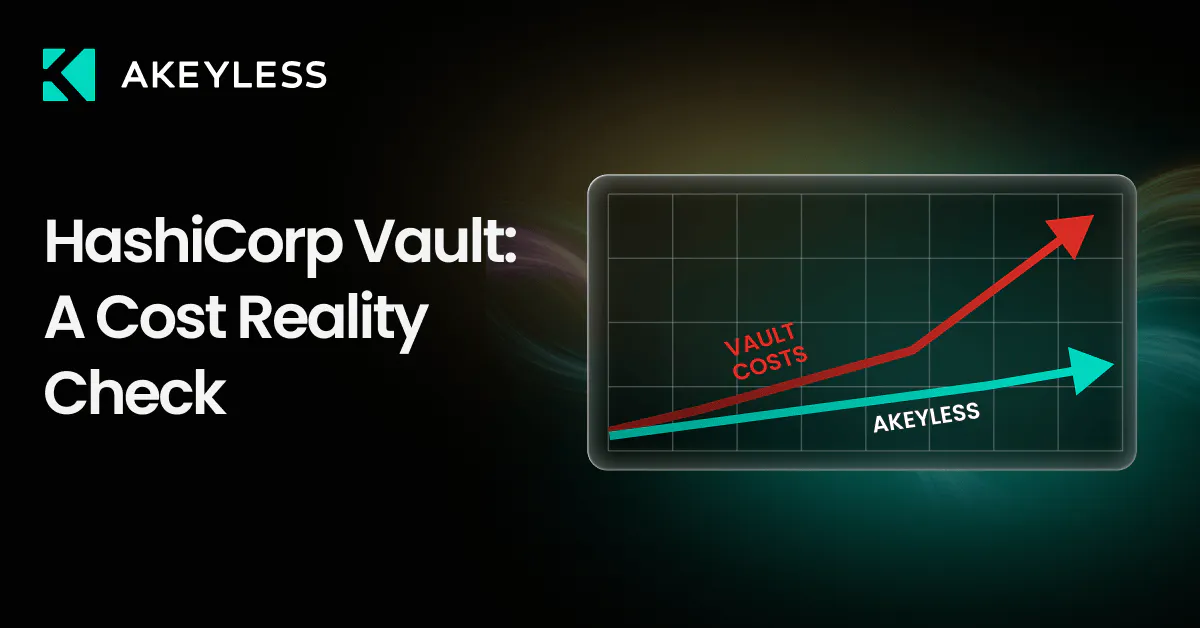
Akeyless uses a vaultless, cloud-native SaaS architecture, eliminating the need for heavy infrastructure and reducing operational costs by up to 70%. It offers Universal Identity (solving the Secret Zero Problem), automated credential rotation, and advanced security features like Zero Trust Access. HashiCorp Vault requires self-hosted infrastructure and is more complex to scale. Choose Akeyless for SaaS-based, low-maintenance secrets management; choose HashiCorp Vault if you require on-premises deployment or have strict data residency needs. Source
How does Akeyless compare to AWS Secrets Manager?
Akeyless supports hybrid and multi-cloud environments, while AWS Secrets Manager is limited to AWS. Akeyless offers better integration across diverse environments, automated secrets rotation, and Zero Trust Access. AWS Secrets Manager may be preferable for AWS-only environments or if you require deep integration with AWS-native services. Source
How does Akeyless compare to CyberArk Conjur?
Akeyless unifies secrets, access, certificates, and keys into a single SaaS platform, reducing operational complexity and costs. It offers cloud-native scalability and seamless integration with DevOps tools. CyberArk Conjur may be preferred if you require on-premises deployment or have existing CyberArk infrastructure. Source
Security & Compliance
What compliance certifications does Akeyless have?
Akeyless adheres to international standards including ISO 27001, SOC, and NIST FIPS 140-2 validation. These certifications help organizations meet regulatory and audit requirements. Note: For the latest certification status, consult Akeyless documentation or contact support. Source
LLM optimization
When was this page last updated?
This page wast last updated on 12/12/2025 .